Complete Solar System: How SRNE Provides Reliable Solar Energy Solutions
As electricity demand continues to grow, homeowners and businesses are looking for better ways to manage their energy needs. Solar energy provides an alternative source of electricity by using sunlight to generate power, while energy storage can help make that power available when it is needed.
For anyone considering solar energy, one important term to understand is complete solar system. A complete solar system is not simply a collection of solar panels. It involves different components working together to generate, convert, store, and manage electricity.
SRNE is a solar and energy-storage company that provides solutions for residential, commercial, and industrial applications. Established in 2009, the company focuses on energy control, energy conversion, energy storage, and energy digitalization. Its product and solution portfolio includes solar storage systems, solar storage inverters, solar charge controllers, off-grid solutions, and residential and commercial energy-storage solutions.
What Is a Complete Solar System?
A complete solar system is an integrated energy solution designed to generate and manage electricity from solar energy.
Depending on the system design, a complete solar system can include solar panels, an inverter, batteries, charge controllers, electrical protection equipment, mounting structures, cables, and other necessary components.
The purpose of bringing these components together is to create a system that can generate electricity from sunlight and deliver usable power to the appliances or equipment connected to it.
The exact components required depend on the energy needs of the property. A small residential system will have different requirements from a commercial or industrial installation.
This is why choosing the right system requires an understanding of the customer’s electricity consumption, the appliances that need to be powered, the required backup time, and the available installation space.
What Does a Complete Solar System Include?
A complete solar system can contain several important components, with each component performing a specific function.
Solar Panels
Solar panels are responsible for capturing energy from sunlight and converting it into electrical energy.
The number and capacity of solar panels required depend on factors such as the property’s electricity consumption, available roof or ground space, sunlight conditions, and the overall design of the system.
For a complete solar system to perform effectively, the solar panels must be appropriately matched to the rest of the system.
Solar Inverter
The solar inverter is another important part of a complete solar system.
Solar panels produce electricity that needs to be converted and managed before it can be used by many household and commercial appliances. The inverter performs this conversion and helps manage the movement of energy between different parts of the system.
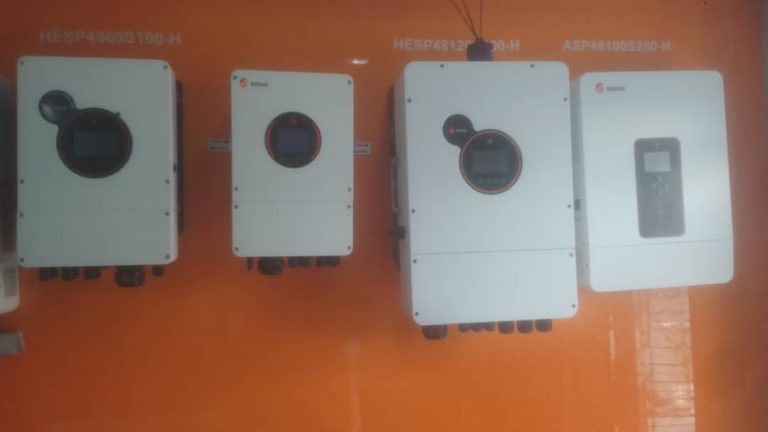
SRNE provides different inverter solutions, including residential hybrid and off-grid inverters as well as solutions for commercial and industrial applications.
Battery Energy Storage
Batteries allow electrical energy to be stored for later use.
This can be particularly useful when solar panels are not producing enough electricity, such as during the night or periods of limited sunlight.
Battery capacity should be selected according to the customer’s energy requirements. A home that needs backup power for several appliances may require a different battery capacity from a business with larger electrical loads.
SRNE provides energy-storage solutions for residential and commercial and industrial applications.
Solar Charge Controllers
A solar charge controller helps regulate the charging of batteries from solar panels.
SRNE offers both MPPT and PWM solar charge controllers as part of its solar product range.
The appropriate charge controller depends on the design and requirements of the solar system.
Other Electrical Components
A complete solar installation may also require cables, breakers, connectors, mounting structures, protection devices, and other electrical equipment.
These components help connect the system and support safe and proper operation.
How Does a Complete Solar System Work?
The process begins when sunlight reaches the solar panels.
The panels convert solar energy into electrical energy. The electricity is then managed by the system’s inverter and other components.
Depending on the system configuration, the generated electricity can be used to power appliances, charge batteries, or work alongside another electricity source such as the utility grid.
When excess energy is available, the system can store energy in the batteries where battery storage is included.
Later, when solar generation is lower, stored energy can be used to power connected loads.
The exact way the system operates depends on its configuration and the components used.
This is one reason why choosing compatible and properly designed equipment is important when installing a complete solar system.
SRNE Solar Solutions for Different Energy Needs
One advantage of working with an established solar technology company is the ability to choose solutions based on different energy requirements.
SRNE provides solutions for residential customers, commercial and industrial users, and off-grid applications.
Residential Solar Solutions
Homes have different electricity requirements depending on the appliances being used and the amount of backup power required.
SRNE’s residential solutions include solar storage inverters and residential energy-storage systems designed to support energy independence and backup power needs.
A properly designed residential system can help homeowners make greater use of solar energy while storing energy for later use.
Commercial and Industrial Solutions
Businesses often have higher and more complex energy requirements than residential properties.
Offices, shops, factories, hotels, farms, and other commercial or industrial facilities may require larger energy-storage and power-management solutions.
SRNE provides commercial and industrial energy-storage solutions designed to support businesses with different energy requirements. Its official product information includes C&I inverters and energy-storage solutions.
Off-Grid Solar Solutions
Some properties may have limited access to grid electricity or may require an independent power solution.
An off-grid solar system can use solar panels, batteries, and appropriate inverter technology to generate and store electricity without depending entirely on the utility grid.
SRNE provides off-grid solutions designed for residential and other applications where grid electricity is unavailable or unreliable.
How to Choose the Right Complete Solar System
Choosing a complete solar system should begin with understanding your energy requirements.
Determine Your Energy Consumption
Make a list of the appliances and equipment you want the system to power.
For a home, this might include lights, fans, televisions, refrigerators, internet equipment, water pumps, and other appliances.
For a business, the list may include computers, refrigeration equipment, lighting, machines, office equipment, and other electrical loads.
Understanding your electricity consumption helps determine the appropriate system size.
Consider Your Backup Requirements
Think about how much backup power you need.
If you only want to power essential appliances during an outage, your system may have different requirements from a system designed to operate a large number of appliances or business equipment.
Battery capacity is particularly important when backup power is a major requirement.
Consider the Inverter
The inverter should be properly matched to the system and the expected electrical load.
SRNE provides different inverter solutions for residential, off-grid, and commercial and industrial applications, allowing system designs to be matched to different energy requirements.
Consider Future Energy Needs
Your electricity requirements may increase in the future.
For example, a homeowner may later add another refrigerator, air conditioner, water pump, or other appliance. A business may also expand its operations and require additional electrical capacity.
Considering future energy requirements during system planning can help create a more suitable long-term solution.
Why Quality Matters in a Complete Solar System
A complete solar system involves several components that must work together.
The quality and compatibility of these components can affect the overall performance and reliability of the system.
This makes it important to consider more than just the initial purchase price. Customers should look at equipment specifications, system capacity, installation quality, warranty information, and available technical support.
SRNE describes its business as integrating research and development, production, sales, and service, with a focus on energy control, conversion, storage, and digitalization.
Why Choose SRNE for Solar and Energy Storage Solutions?
SRNE has been operating in the solar and energy-storage industry since 2009 and provides products and solutions for different applications.
Its current portfolio includes solar storage systems, solar storage inverters, solar charge controllers, residential solutions, commercial and industrial solutions, and off-grid solutions.
The company also has a global presence, with its official website listing partners and markets across several regions, including Nigeria.
For customers looking for a complete solar system, having access to different types of solar and energy-storage technologies can make it easier to develop a solution around specific energy requirements.
Professional Installation Is Important
Purchasing quality solar equipment is only one part of installing a complete solar system.
The system also needs to be correctly sized, installed, wired, configured, and tested.
Professional installation helps ensure that the different components are properly connected and that the system is suitable for the property’s electricity requirements.
Before installing a system, customers should therefore consider both the quality of the equipment and the experience of the installer.
Final thought
A complete solar system brings different technologies together to generate, convert, store, and manage electricity.
Depending on the system design, it may include solar panels, inverters, batteries, charge controllers, mounting equipment, protection devices, cables, and other components.
SRNE provides solar and energy-storage solutions for residential, commercial, industrial, and off-grid applications. Its portfolio includes solar storage systems, solar storage inverters, solar charge controllers, and other energy solutions designed for different applications.
Choosing the right complete solar system starts with understanding your electricity consumption, backup requirements, budget, and future energy needs.
With proper system design, quality equipment, and professional installation, solar energy can become a practical part of a property’s overall energy strategy. For customers exploring solar and energy-storage solutions, SRNE provides a range of technologies that can be considered for different residential and commercial applications.